
NPR Examines Ticketmaster “Monopoly” Accusations on 1A Show
Ticketmaster has long been dogged by claims it is operating as an effective “monopoly” alongside parent company Live Nation Entertainment,…
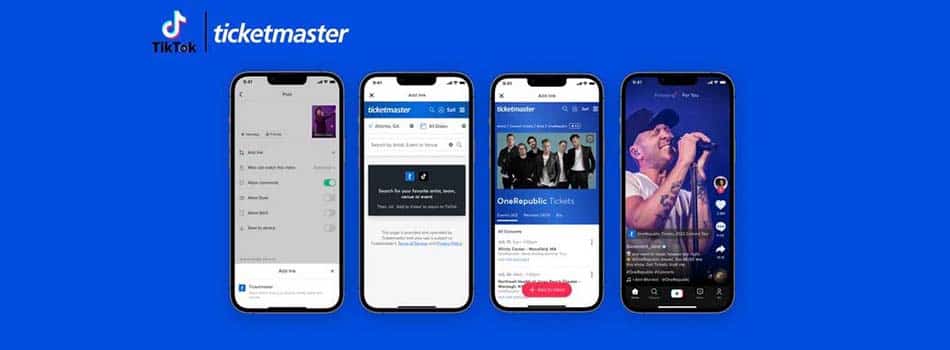
Ticketmaster has long been dogged by claims it is operating as an effective “monopoly” alongside parent company Live Nation Entertainment, with its most recent firestorm kicked up over the pricing strategy for Bruce Springsteen and other tours as live entertainment recovers from the pandemic. National Public Radio examined the issues at hand for consumers and entertainment industry insiders in a recent edition of its 1A program, produced by WAMU in Washington, D.C.
Released this week, the 1A episode carried a straightforward question as its title: “Does Ticketmaster Have A Monopoly On Live Events?”
Guests for the program included American Antitrust Institute president Diana Moss, Pabst Theater Group CEO Gary Witt, New York State Sen. James Skoufis, and president and CFO of Live Nation Joe Berchtold.
The episode lasts 40 minutes, and is worth the listen for those who want to learn a little more regarding the entertainment business and the enormous “monopolistic” or “vertically integrated” entity at its center.
Throughout the show, Berchtold attempted to push back against numerous allegations of what many characterize as anti-competitive and anti-consumer behavior by the California company, which has seen record revenues in its earnings reports, driven largely by the increased adoption of “platinum” ticketing systems that drive up ticket prices at moments of high demand.
“I’m happy to be on and clarify some misperceptions here,” Berchtold said in his opening response to 1A host Jenn White. He claimed only one percent of tickets to the headline-generating Springsteen tour were being sold at prices beyond $1,000, while some 20 percent were priced at less than a hundred dollars. But he was on the defensive for much of the show, as Moss, Witt, and Skoufis all took turns illustrating examples of how they believed Live Nation and Ticketmaster are responsible for the mess that many believe modern live event ticketing has become.
“[Dynamic pricing] is a pricing strategy used by a firm with a lot of market power like Live Nation, it really become a vehicle for extracting enormous monopoly rents,” noted Moss in her initial discussion of the variable pricing model that has drawn so much criticism of late.
“The problem is when you don’t have competition to discipline prices in the market from other ticketing platforms, at least in the primary market, then really the sky is the limit for dynamic pricing, and it can really amount to price gouging, where a monopolist extracts a lot of that from the consumer and without competition we’ll see that practice used more and more to the detriment of fans and consumers,” she continued.
Witt joined the show later, discussing his companies choice to NOT use Live Nation or Ticketmaster for its ticketing, and the inherent difficulties in staying independent in the face of such a massive entity. And Skoufis joined last, discussing the recent changes to New York laws related to ticketing and how they might benefit consumers.
Read next
More headlines
Jun 3, 2026
Denver Summit FC tickets on sale in Commerce City vs. Current
Denver Summit FC will host the Kansas City Current at Dick's Sporting Goods Park in Commerce City, Colorado, on July…
Jun 3, 2026
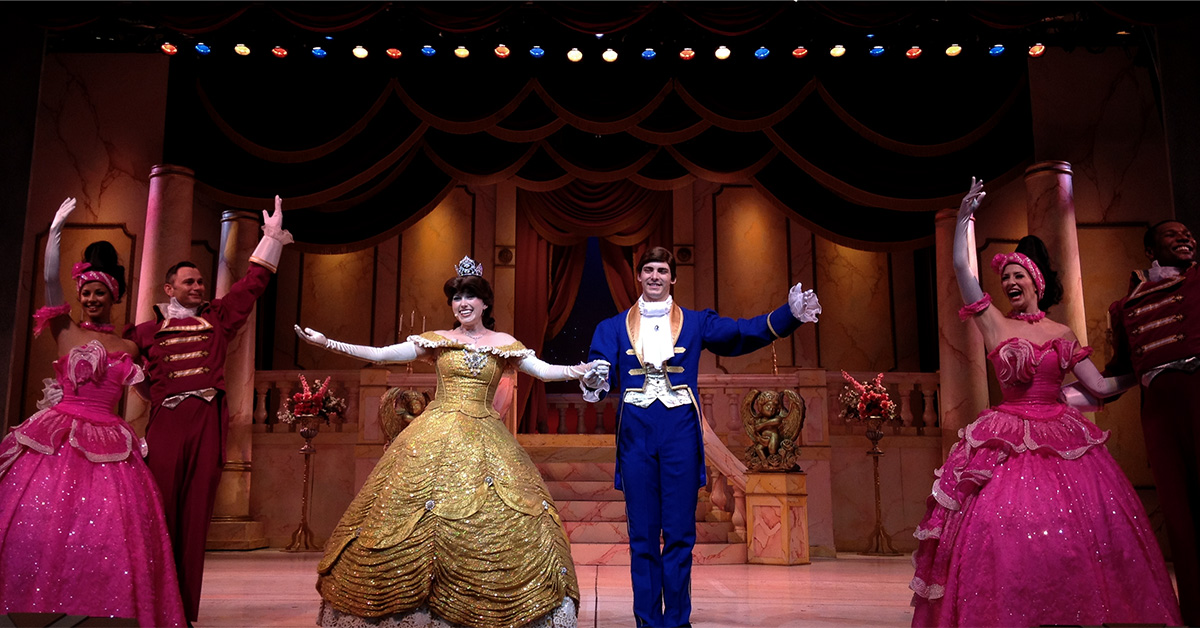
Beauty and the Beast tickets on sale in Denver at Temple Hoyne
Beauty and the Beast is coming to the Temple Hoyne Buell Theatre in Denver, Colorado, for two performances on Oct….

Jun 3, 2026
Bryson Tiller tickets on sale in New York at Madison Square Garden
Bryson Tiller is headed to Madison Square Garden in New York City on Sept. 13, 2026. The Louisville native has…