
Who Will Testify at Today’s Live Nation–Ticketmaster Hearing — and Why Their Testimony Matters
The witnesses expected at the Raskin-Blumenthal forum include California Attorney General Rob Bonta, a former DOJ antitrust official, two independent…
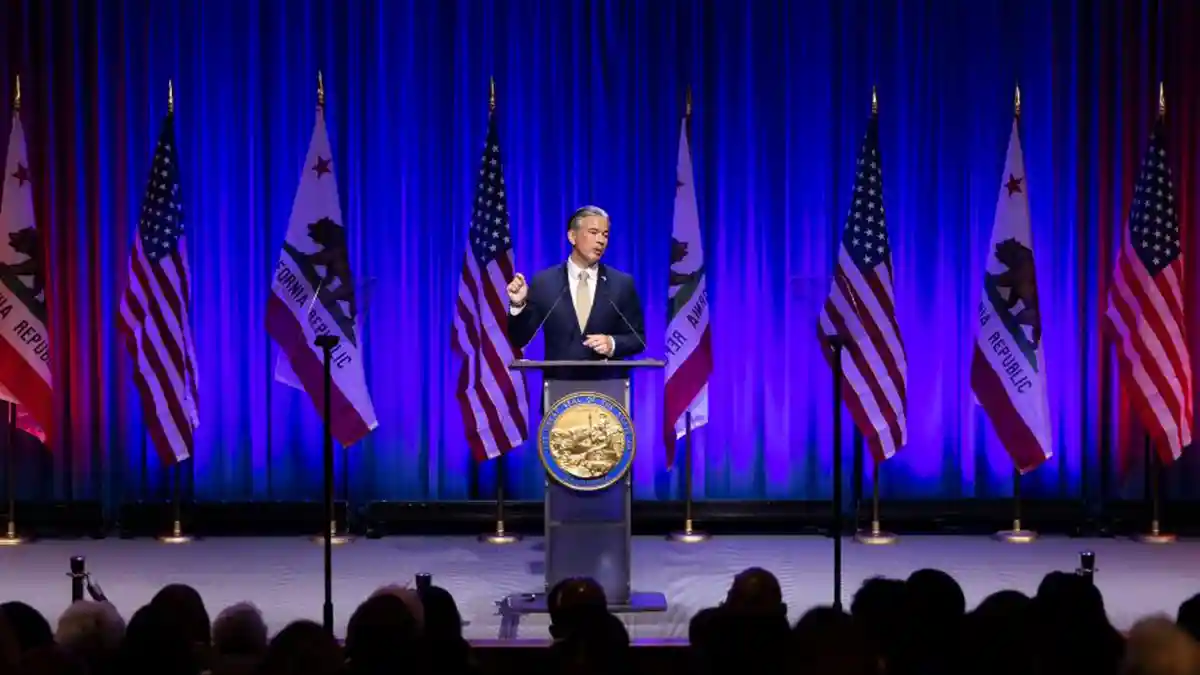
The witnesses expected at the Raskin-Blumenthal forum include California Attorney General Rob Bonta, a former DOJ antitrust official, two independent venue operators and a working musician — a lineup that previews the case for stronger remedies against Live Nation and Ticketmaster.
As lawmakers prepare for today’s bicameral forum on the Live Nation–Ticketmaster monopoly and the Department of Justice settlement now awaiting court review, the witness list offers a clear preview of the arguments critics intend to make.
The forum is led by Rep. Jamie Raskin and Sen. Richard Blumenthal, and the title gives away the core theme: “Corruption Takes Center Stage: How the Live Nation–Ticketmaster Settlement Threatens Antitrust Enforcement.” It is scheduled for 3:30 p.m. ET in SD-G50 of the Senate Dirksen Office Building, with expected testimony from artists, legal experts, independent venue operators and state officials who have continued pressing for accountability after DOJ settled with Live Nation.
The lineup is deliberate. It brings together voices able to address nearly every major criticism of the settlement: state attorneys general who rejected it, a former DOJ antitrust official who has questioned how it was reached, independent venue operators who say Live Nation’s scale distorts local markets, and an artist speaking to the impact on working musicians.
The hearing will not determine the outcome of the DOJ settlement or the state-led remedies phase. But it appears designed to build political pressure for stronger action at a moment when the settlement is headed toward Tunney Act review and non-settling states are preparing to argue for additional relief following a jury verdict against the company.
WATCH: Corruption Takes Center Stage (live at time of hearing)
Rob Bonta: The state enforcement case for stronger remedies
California Attorney General Rob Bonta is among the most consequential witnesses, as his office remains directly involved in the ongoing case. California was one of the states that rejected the DOJ settlement and continued litigating after the federal government exited the trial. In March, Bonta said the settlement failed to address the monopoly at the center of the case and pledged to continue pursuing accountability alongside other states.
That stance carries added weight after the state-led case produced a jury finding against Live Nation and Ticketmaster on monopoly and tying claims. Bonta’s office called the verdict a historic win for artists, fans and venues. The case now moves to a remedies phase that could determine damages, restitution, injunctive relief and potentially structural changes.
Bonta’s testimony is likely to focus on why the states view the DOJ settlement as insufficient. Expect emphasis on the limits of behavioral remedies, the company’s continued control across promotion, venues and ticketing, and the need for relief that changes incentives rather than adding compliance obligations.
He may also bring a broader consumer-protection perspective. His office recently pressed FIFA for information about 2026 World Cup ticketing practices in California after complaints that seat-category maps changed after purchase. While unrelated to Live Nation, the inquiry underscores a wider trend: regulators are scrutinizing the primary ticketing market itself.
RELATED:
Bonta Presses FIFA Over World Cup Tickets After Fans Say Seat Categories Changed Post-Purchase
Judge Pushes Live Nation Antitrust Case Toward Remedies Fight as States Seek New Discovery
What They’re Saying: State AGs on Why They’re Suing Live Nation
Roger Alford: The process critique of the DOJ settlement
Roger Alford is the witness most directly tied to the hearing’s corruption and political-interference framing. Now a professor at Notre Dame Law School, Alford served as Principal Deputy Assistant Attorney General in the DOJ Antitrust Division before departing amid internal turmoil over major cases.
Alford has publicly criticized both the Live Nation settlement and the circumstances surrounding it. In an April Bloomberg Law opinion, he wrote that he expected the government to take the case to trial, but believed he was fired after arguing that major antitrust cases should be resolved on the merits rather than “settled on the cheap.” He also called the settlement inadequate given the scale of the alleged monopoly.
His testimony is likely to anchor the hearing’s broader claim: that the deal is not simply a policy disagreement over remedies, but a test of whether politically connected companies can influence enforcement outcomes. Senators raised similar concerns in an April letter urging Judge Arun Subramanian to closely scrutinize the settlement under the Tunney Act.
Alford may also outline why that review matters. Under the Tunney Act, a settlement does not become final simply because DOJ and a defendant agree; the court must determine whether it serves the public interest. For critics, that review is the next critical battleground.
RELATED:
Democratic Senators Urge Tight Scrutiny of Live Nation–Ticketmaster DOJ Settlement by Court
The Fix Is In? DOJ Antitrust Turmoil Boosts Live Nation Bid to Escape Ticketmaster Monopoly Trial
Senators, AGs Sound Alarm Over Political Influence in DOJ Antitrust Enforcement
Tom DeGeorge: The independent venue view from a local market
Tom DeGeorge, owner of The Crowbar in Tampa, brings the independent venue perspective. His testimony is likely to shift the conversation from abstract market-share data to the day-to-day realities facing small and mid-sized venues.
DeGeorge also serves as Southeast president of the National Independent Venue Association, giving him a policy role beyond his own business. His Tampa market is particularly relevant, as Live Nation has been linked to a proposed 4,300-capacity venue in the Ybor City area—plans that have drawn concern from local operators.
His core argument is likely to focus on how Live Nation’s scale shapes local ecosystems before a ticket is ever sold. Control over promotion, ticketing and access to touring artists can create pressure not only through contracts, but through routing decisions, booking leverage and market consolidation.
DeGeorge’s testimony may help lawmakers connect the remedies debate to the survival of independent venues. Modest changes to contract terms may do little, he is expected to argue, if Live Nation can still steer tours and concentrate demand through its vertically integrated platform.
RELATED: Ybor City Residents Create Petition to Stop Live Nation’s New Venue Proposal
Jerry Mickelson: A promoter’s long view of the merger
Jerry Mickelson, CEO of Chicago-based Jam Productions, offers historical context. He warned lawmakers about the risks of the Live Nation–Ticketmaster merger before it was approved, testified against it in 2009, and returned to Congress in 2023 following the Taylor Swift ticketing meltdown.
His prior testimony remains central to today’s debate. Mickelson has argued that the merger’s impact extends beyond ticketing to the combined strength of promotion, venue control and exclusive contracts. As he put it in 2023, independent promoters may be forced to sell tickets through a platform owned by their direct competitor.
That argument cuts to the structural critique of the DOJ settlement. If competitors must rely on infrastructure controlled by a rival, incremental remedies may not address the underlying conflict.
Mickelson also situates the case in a longer arc. Critics warned in 2009 about the risks of consolidation; DOJ later extended the consent decree after alleging violations. Now, after a jury verdict, opponents argue that the shortcomings of behavioral remedies are no longer theoretical.
RELATED: Michelson’s Testimony from the 2023 Congressional Hearing
Michelson’s Testimony from the 2009 Congressional Hearing
Franz Nicolay: The working musician perspective
Franz Nicolay, a member of The Hold Steady and author of Band People: Life and Work in Popular Music, represents the artist side of the industry—but not from the vantage point of superstars. His work focuses on working musicians who make up what he has described as the industry’s “musical middle class.”
That perspective broadens a debate often centered on ticket prices and top-tier acts. Nicolay can speak to musicians who depend on touring income but have little control over ticketing systems, fees, routing or pricing.
He has written about the economic instability facing artists and the pressures created by consolidation in touring and ticketing. His testimony is likely to frame market power not just as a consumer issue, but as a labor and livelihood issue for musicians.
It may also reinforce a key dynamic: high costs and opaque fees can strain relationships between artists and fans, even when performers do not control the underlying economics.
Why this witness list matters
Taken together, the witness list suggests Raskin and Blumenthal are aiming beyond familiar complaints about ticket prices. The lineup is built to argue that the DOJ settlement is inadequate, that its origins warrant scrutiny, and that meaningful reform requires addressing Live Nation’s integrated control of promotion, venues and ticketing.
Bonta represents the states still pursuing stronger relief. Alford speaks to enforcement integrity and process. DeGeorge and Mickelson ground the discussion in market realities for venues and promoters. Nicolay connects those dynamics to working artists.
The message is clear: for critics, the Live Nation–Ticketmaster case is not resolved by the DOJ settlement — it is entering its next phase.
Read next
More headlines
Jun 3, 2026
Denver Summit FC tickets on sale in Commerce City vs. Current
Denver Summit FC will host the Kansas City Current at Dick's Sporting Goods Park in Commerce City, Colorado, on July…
Jun 3, 2026
Beauty and the Beast tickets on sale in Denver at Temple Hoyne
Beauty and the Beast is coming to the Temple Hoyne Buell Theatre in Denver, Colorado, for two performances on Oct….

Jun 3, 2026
Bryson Tiller tickets on sale in New York at Madison Square Garden
Bryson Tiller is headed to Madison Square Garden in New York City on Sept. 13, 2026. The Louisville native has…